
 Browse 28 Products
Improve workplace safety, protect cables, and maintain clear walkways
Introduction
Slips, trips, and falls remain one of the leading causes of workplace injuries. According to Occupational Safety and Health Administration (OSHA), these incidents account for a large share of general industry accidents and a significant percentage of accidental fatalities. OSHA’s walking-working surfaces standard (29 CFR 1910.22) requires aisles and passageways to be kept clear and in good repair, with no obstructions that could create a hazard.
In facilities where material handling equipment is common, exposed cables, cords, and hoses frequently cross walkways and vehicle paths creating trip hazards for workers and potential damage risks for the cables themselves. Cable cover ramps provide a simple, effective solution to help organizations improve safety, maintain compliance and protect critical infrastructure.
What Are Cable Cover Ramps?
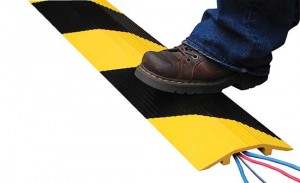
Cable cover ramps also known as cable protectors or cable crossover ramps are low profile protective ramps designed to shield cables, cords and hoses while allowing people and vehicles to pass safely over them. They are commonly manufactured from heavy-duty rubber, polyurethane, or steel, depending on load requirements and environmental conditions.
Integrated channels within the ramp base securely house cables of varying diameters. The ramp’s sloped, slip resistant surface allows forklifts, carts, pallet jacks, trucks and foot traffic to cross smoothly without snagging or instability.
How Cable Cover Ramps Improve Workplace Safety
Cable cover ramps reduce risk in several important ways:
- Trip hazard reduction – Keeps cords and hoses off walking surfaces and out of aisles
- Clear passageways – Helps facilities meet OSHA requirements for unobstructed walkways
- Improved visibility – Many ramps feature high visibility colors or striping to alert workers
- Stable transitions – Gradual slopes minimize jolts for wheeled equipment
By organizing cables and creating defined crossing points, ramps help prevent sudden missteps and loss of balance in busy work areas.
Protecting Cables, Hoses, and Electrical Lines
In addition to protecting workers, cable cover ramps help extend the life of cables and hoses. When left exposed, electrical cords and fluid lines are vulnerable to crushing, abrasion, cuts and chemical exposure from vehicles and machinery.
Heavy duty cable ramps are engineered to withstand repeated traffic loads, including forklifts and industrial trucks. Some extreme duty crossover ramps are even rated for mining and construction environments where vehicle weights can reach hundreds of tons. Using ramps can significantly reduce replacement costs caused by frayed wires, leaks, or electrical damage.
Indoor and Outdoor Applications
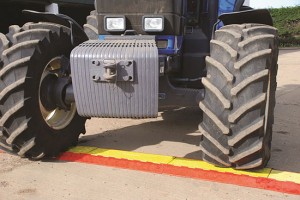
Cable cover ramps are used across a wide range of environments, including:
- Manufacturing plants and warehouses
- Distribution centers and loading docks
- Construction and mining sites
- Temporary outdoor job sites where trenching is impractical
- Commercial venues such as stadiums, theaters, convention centers, and concert spaces
In outdoor applications, ramps eliminate the need to trench cables and make rerouting faster and more flexible as site conditions change.
Modular Design and Layout Flexibility
Many cable cover ramp systems feature modular, interlocking designs that allow users to create long straight runs, turns, or four-way intersections. This flexibility makes it easy to adapt layouts to changing workflows, temporary installations, or complex cable routing needs while maintaining a clean, professional appearance.
Choosing the Right Cable Cover Ramp
When selecting a cable cover ramp, consider the following factors:
- Number and diameter of cables or hoses
- Load capacity (foot traffic vs. forklifts or trucks)
- Indoor or outdoor exposure
- Chemical, oil, or temperature resistance requirements
- Length and configuration of the cable run
Working with an experienced material handling equipment provider ensures the ramp selected matches your application and safety requirements.
Final Takeaway
Cable cover ramps and cable cord covers are a practical, cost-effective way to reduce trip hazards, protect valuable cables, and maintain organized workspaces. Whether used in heavy industrial settings or public-facing commercial environments, they support safer operations, regulatory compliance, and a more professional appearance.
Always verify that cable cover ramps are properly rated and suitable for your specific application and traffic conditions.